From fear of driving to freedom.
Sydney's specialised, multidisciplinary driver rehabilitation service — not a driving school
Safe2Go is a clinical, trauma-informed rehabilitation service providing psychological support and specialised return-to-driving programs for people affected by motor vehicle accidents, driving anxiety, trauma, injury, medical conditions and workplace injuries.
Empowering you to manage your own recovery
Who we are
Safe2Go is not a driving school. We are a specialised rehabilitation service. Our team brings together a registered psychologist, driver-focused occupational therapists and rehabilitation driver trainers who work from a single plan — treating the anxiety, the trauma and the functional barriers together, rather than sending you to three separate providers and hoping they join up.
If this sounds like you
For anxious and nervous drivers
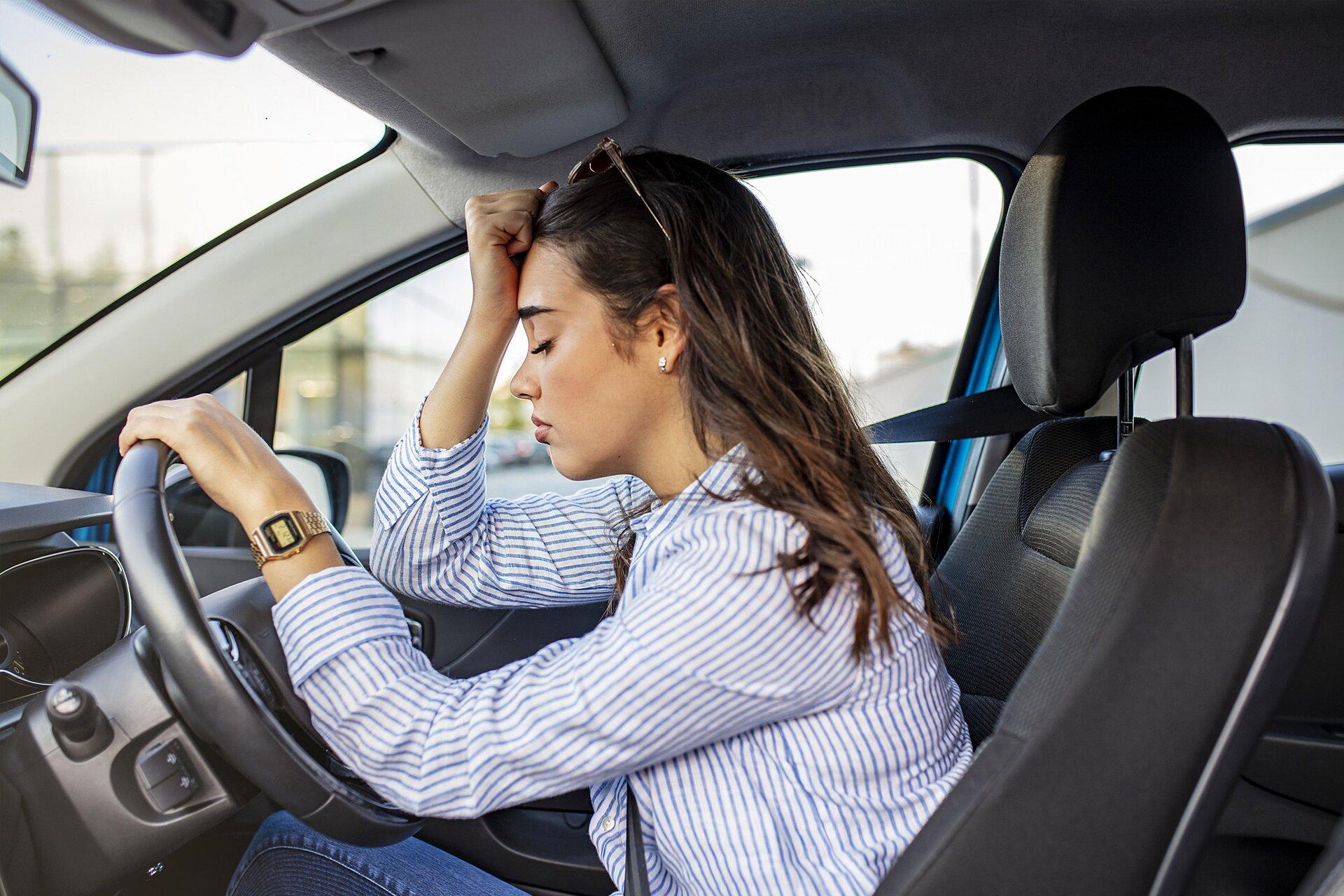
Most people who contact us describe themselves as an anxious driver, or a nervous driver. Many have searched for driving lessons for anxious drivers, because that is the only language they have for what has happened — nobody uses the phrase "driver rehabilitation" until someone tells them it exists.
If any of this is familiar, you are in the right place:
- You held a licence for years and now avoid driving altogether
- You still drive, but panic on motorways, in tunnels or in heavy traffic
- You pull over, or hand the wheel to someone else, when it becomes too much
- You have tried ordinary driving lessons and found they did not help
- You are a capable driver but cannot face the road where your accident happened
What we offer is not a driving lesson. Ordinary lessons teach someone to operate a car and pass a test, which is why they rarely help when the barrier is fear rather than skill.
Safe2Go is not a driving school. We are a specialised rehabilitation service — a registered psychologist, occupational therapists and rehabilitation driver trainers treating the anxiety alongside the driving, at a pace you set.
Start here
Psychological Services
Psychological support is a core Safe2Go service, available on its own. You do not need to be enrolled in a driving program to see our registered psychologist.
Individual Therapy
One-to-one sessions for anxiety, trauma, PTSD and post-accident adjustment, with a registered psychologist experienced in accident-related presentations.
Telehealth & Zoom
Appointments available remotely across NSW, so distance, pain, transport or driving avoidance never becomes the reason treatment stops.
Trauma-Informed Care
Evidence-based treatment paced to your recovery. We do not push clients into distressing material before they are ready.
Psychological support is not an add-on here
For many of our clients, the psychological impact of an accident outlasts everything else. Physical injuries heal on a reasonably predictable timeline. Hypervigilance, intrusive memories, panic when a car merges too close, and the avoidance that quietly shrinks a person's world — these need treatment in their own right.
That is why psychology sits at the front of our pathway rather than at the end of it.
How we work
The Safe2Go pathway
Five stages, delivered by one multidisciplinary team. You start wherever you actually are — not everyone needs all five.
- 1
Psychological support
Assessment and individual therapy with a registered psychologist for anxiety, trauma, PTSD and post-accident adjustment. Available in person, by Telehealth or Zoom, and available entirely on its own.
- 2
Exposure therapy
Structured, graded exposure that rebuilds tolerance step by step — including AI-assisted real-world exposure work. Nothing happens before you are ready for it.
- 3
OT driver assessment
Occupational therapy assessment of the physical, cognitive and functional capacity to drive safely, producing clear findings and recommendations rather than a pass or fail.
- 4
Graded driver rehabilitation
Progressive on-road rehabilitation in your own driving environment, paced to your recovery rather than to a test date.
- 5
Defensive driver course
The consolidating final stage — hazard perception, risk anticipation and defensive skills that make the recovery durable and support return to occupational driving.
Building Driving Confidence
15+ Years Of Success
Safe2Go has over 15 years of experience supporting individuals living with driving phobia, driving anxiety, PTSD, GAD and adjustment disorder. We specialise in helping people regain their confidence, restore their independence, and return to driving with a renewed sense of control. Our team includes a Registered Psychologist, driver-focused Occupational Therapists, and Rehabilitation Driver Trainers who work together to support clients experiencing barriers to driving confidence, function and independence. We provide structured, trauma-informed and evidence-based support for individuals involved in CTP claims, WorkCover matters, and other injury-related presentations affecting driving capacity. If we had to summarise our program in one word, it would be freedom.
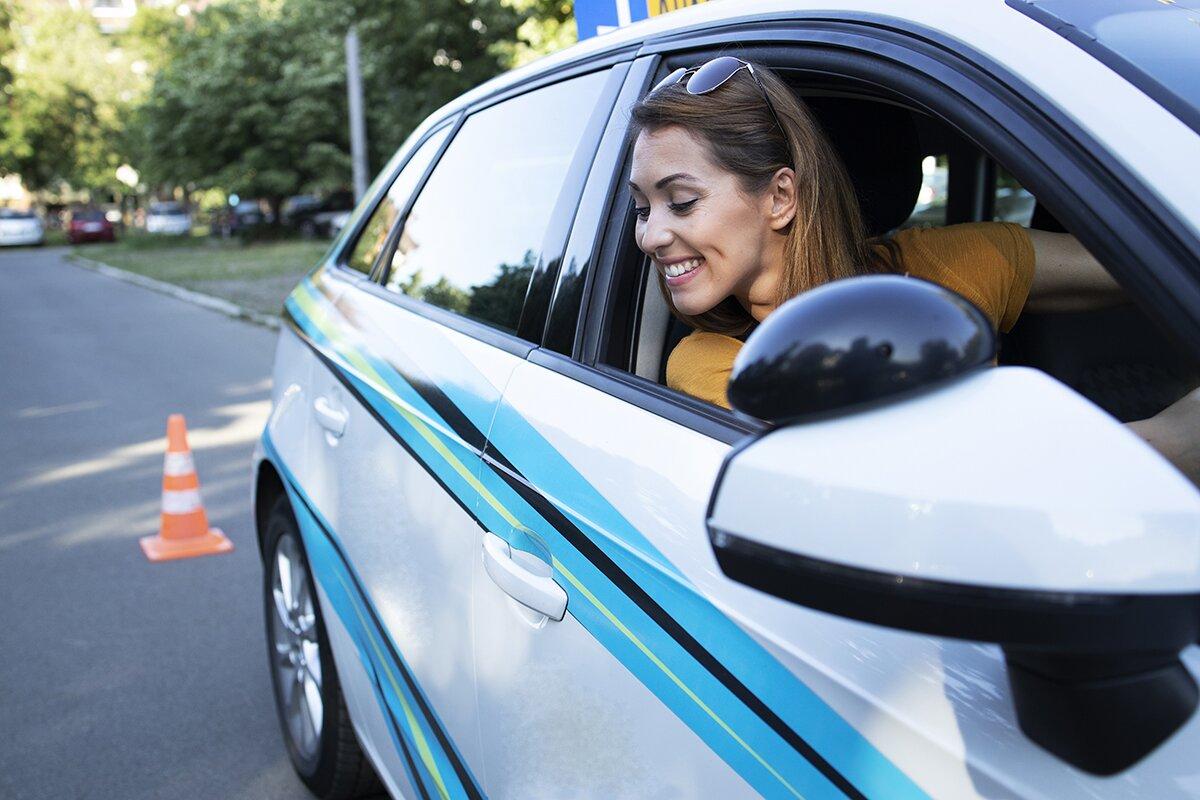
Safe2Go Driver Rehab
Our Rehabilitation Programs
Specialised programs for people whose driving has been affected by accident, injury, trauma or a medical condition.

Safe2Go Driving Program
Our core rehabilitation program, using evidence-based methods to help individuals work through fear and rebuild practical driving capability.

Driving Anxiety Rehabilitation
Overcoming driving anxiety after an MVA: our driver rehabilitation program and OT driver assessments for CTP claims in NSW.
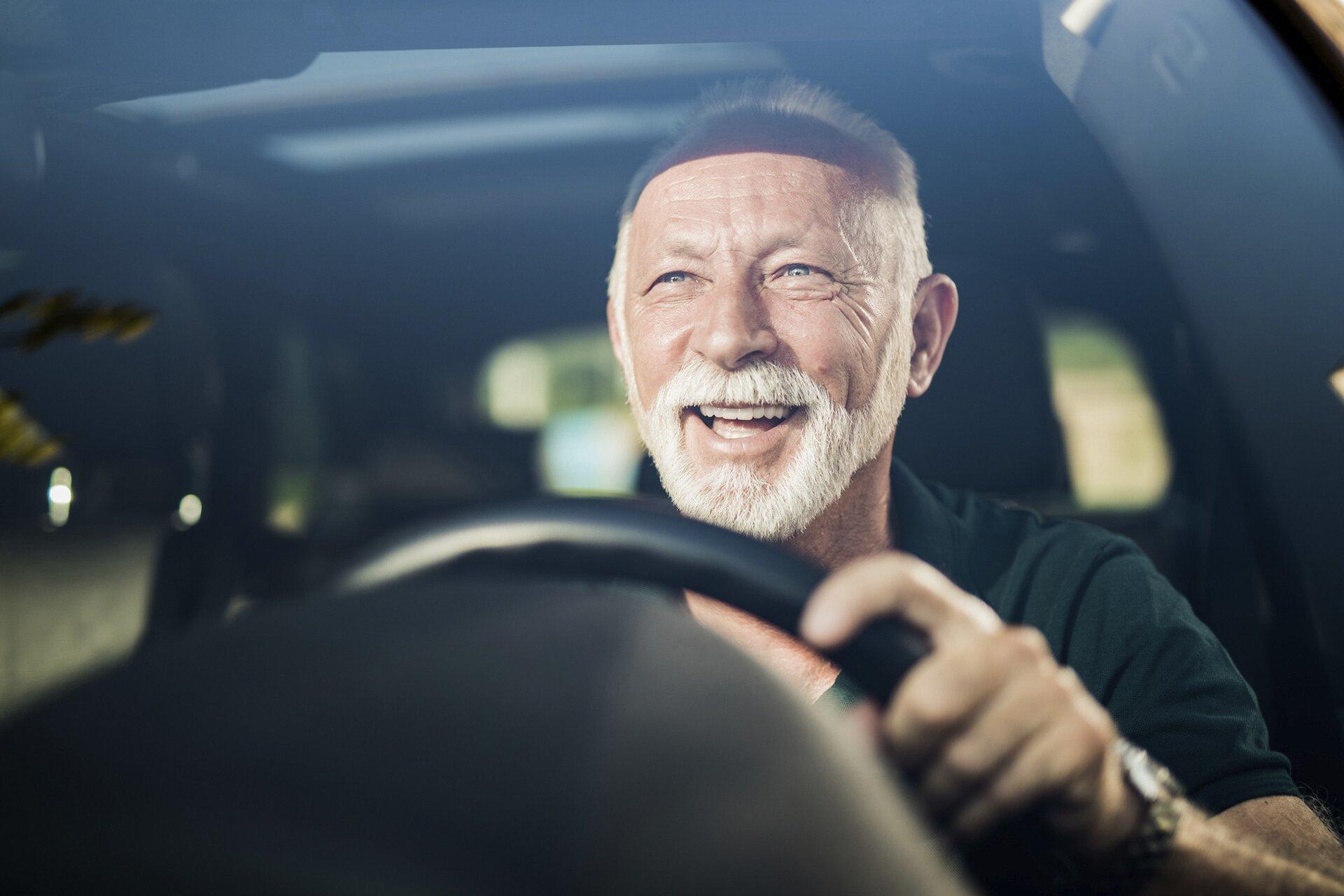
Rehabilitation Driver Training
Graded on-road rehabilitation for clients returning to driving after injury, trauma or an extended period away from the wheel.

AI-Assisted Exposure Therapy
Structured real-world exposure work, supported by technology, for clients whose avoidance has become entrenched.
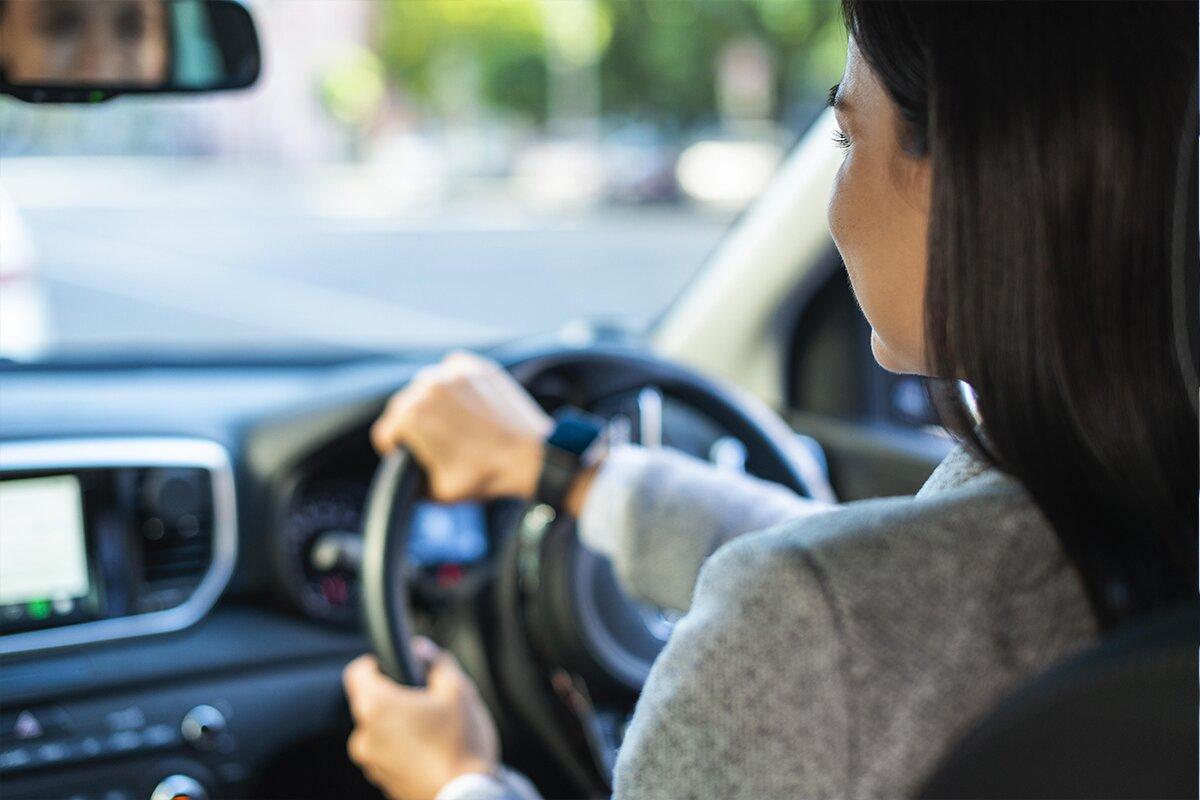
Defensive Driver Course
Advanced hazard perception and defensive skills — the consolidating final stage of the rehabilitation pathway.
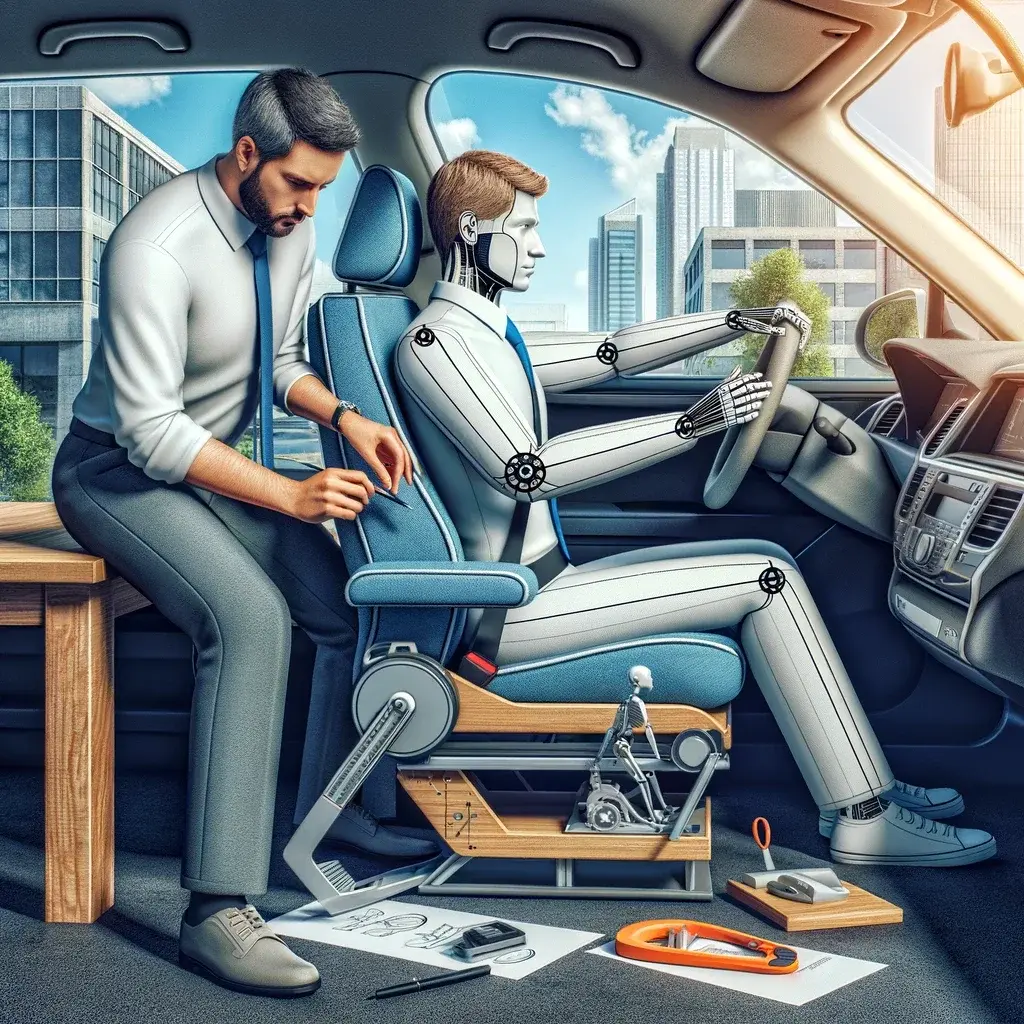
Driver OT Ergonomics
Ergonomic and employee assessment services for workplace and occupational driving contexts across NSW.
Funding and referrals
We support CTP, WorkCover and professional referrals
A large proportion of our clients are funded through an insurance claim rather than privately, and we are experienced in the assessment and reporting each pathway requires.
- CTP (Compulsory Third Party) claims — treatment following a motor vehicle accident in NSW, often available even where no claim has yet been lodged
- WorkCover and workers compensation — where a workplace injury has affected driving capacity, function or psychological wellbeing
- Case managers and rehabilitation consultants — as a provider working inside an existing rehabilitation plan
- GP, psychologist and allied health referrals — for patients needing specialised driver rehabilitation or psychological support
- Private and self-funded clients — no referral required
If you are not sure which applies to you, call 1800 867 277 and we will help you work it out before any paperwork starts.
Referral pathways
Find the right pathway
Four routes into the service, each explaining what we need, what we provide and how quickly we can start.

Injured People & Private Clients
You have been in an accident, or driving has become difficult, and you want to speak to someone directly. No referral needed.
CTP & WorkCover Insurers
Assessment, treatment and reporting for Compulsory Third Party and workers compensation claims, with clear functional outcomes.
Case Managers & Rehabilitation Consultants
A driver rehabilitation provider that works inside your plan, reports on time, and communicates without being chased.
GPs & Allied Health Referrers
For patients whose recovery has stalled around driving, anxiety or post-accident adjustment. Psychological services available independently.
An important distinction
Not a driving school
Safe2Go is not a driving school. We are a specialised rehabilitation service. If you are learning to drive for the first time and want to pass your test, a driving school is the right choice and will cost you less. We work with people for whom driving has become a clinical problem rather than a skills problem — where anxiety, trauma, injury, pain or a medical condition is the barrier. Our clients already hold a licence, or held one until something happened. That is a different service, and it is the one that helps when ordinary lessons have not.

What we treat
Barriers we work with
Driving phobia
Complete avoidance of driving, sometimes for years, following a crash or a frightening experience on the road.
PTSD and trauma
Intrusive memories, hypervigilance and acute stress following a motor vehicle accident or workplace incident.
Anxiety and panic
Panic attacks while driving, motorway avoidance, and generalised anxiety that has narrowed daily function.
Post-accident adjustment
Low mood, irritability, sleep disruption and loss of confidence in the slower aftermath of an accident.
Injury and pain
Physical restriction, pain and fatigue affecting the capacity to drive safely and comfortably.
Medical conditions
Conditions and functional change raising genuine questions about fitness to drive, requiring formal assessment.
Return to work
Where driving is a requirement of the role and capacity must be restored and evidenced.
Loss of independence
Where not driving has cost someone their work, their community access or their caring responsibilities.
What Our Clients Say
Testimonials
Where we work
Sydney and most of NSW
Our head office is at Level 1, 299 Elizabeth Street, Sydney NSW 2000, but most of our work happens where our clients actually drive.
Rehabilitation delivered in a person's own environment — their streets, their route to work, the intersection where the accident happened — produces far more reliable results than a session in unfamiliar territory. Our occupational therapists and rehabilitation driver trainers travel to clients across the Sydney CBD, Inner West, Eastern Suburbs, North Sydney, Western Sydney and most of regional NSW.
Psychological services are additionally available by Telehealth and Zoom anywhere in the state, which matters particularly for regional clients and for anyone whose presenting problem is that they avoid getting in a car.